
What to do about insurance after an accident
Prepare the information your insurer needs and check the next steps.
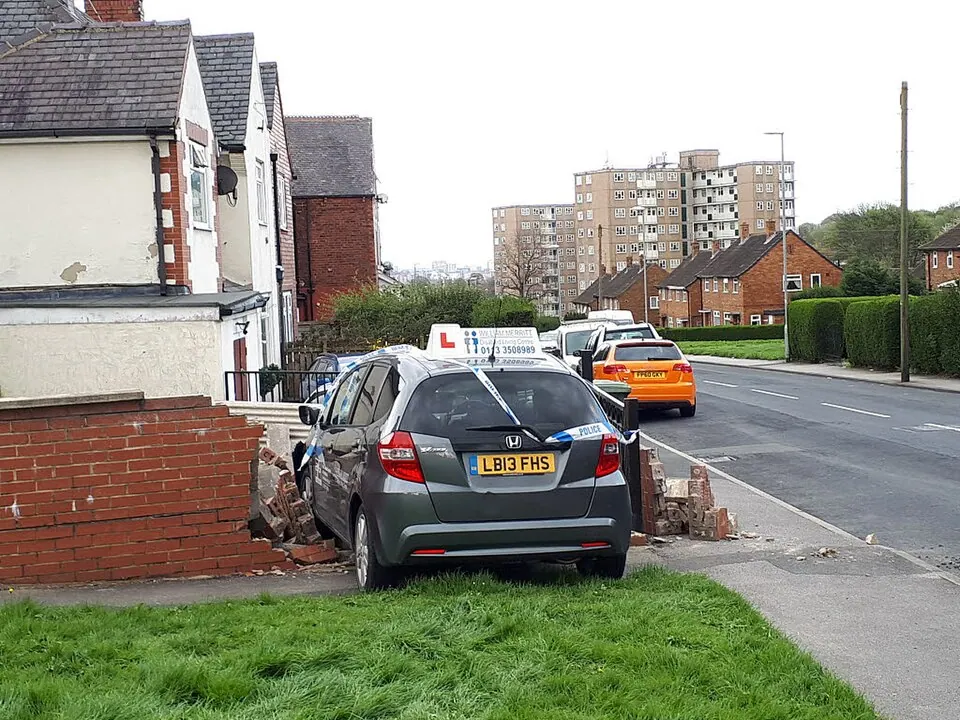
Deal with the scene safely
If someone is in immediate danger or seriously injured, call 999. When safe, exchange the details required and collect useful information such as the location, registrations and witness details. Check GOV.UK for reporting duties.
Contact your insurer
Check the reporting deadline in your policy and tell your insurer promptly, even if you intend to pay for your own repairs. Ask for a reference number and keep notes of conversations.
Before authorising repairs
Ask about approved repairers, photographs, inspections, courtesy car availability and your excess. Keep receipts and ask what the insurer needs to assess the claim.
What to have ready when you call
Make a short record of the time, location, vehicles and what happened while it is fresh. If there is damage or injury, GOV.UK sets out which details to give and when the police must be notified.
| What to check | What to look for |
|---|---|
| Policy information | Policy number, insured vehicle and name of the driver. |
| Accident information | Time, location, other vehicle registrations and witness details where available. |
| Evidence and next steps | Photos if safe to take, police reference if applicable, and written repair instructions. |
Common question
Should I tell my insurer if I pay for the repair myself?
GOV.UK says to report the accident to your insurer even if you do not plan to claim. Check your policy for the reporting deadline.
Accident checklist
If anyone is in immediate danger or seriously injured, call 999. Tick the steps you’ve completed when it’s safe to do so.
Open the six-point roadside card
What if someone hits your parked car?
Before moving it, photograph the damage, where it was parked and any note or debris, if it is safe to do so. Ask nearby businesses or neighbours whether footage exists and request that they keep it. If the driver left details, record them and give them to your insurer.
If the driver left without giving details, follow the police reporting guidance for your situation and notify your insurer even if you may pay for repairs yourself. Photograph hidden damage only if it’s safe to inspect. Ask the insurer about recovery or inspection before authorising work.
Keep the insurer’s instructions together
Save the incident reference, the date you reported it and any instructions about repair or recovery. If you are asked to use a particular repairer, confirm how you should arrange it and whether a replacement car is included.