
What if my insurer writes off my car?
Ask for the write-off category, the vehicle details used for valuation and the calculation behind the settlement before deciding whether to accept it.
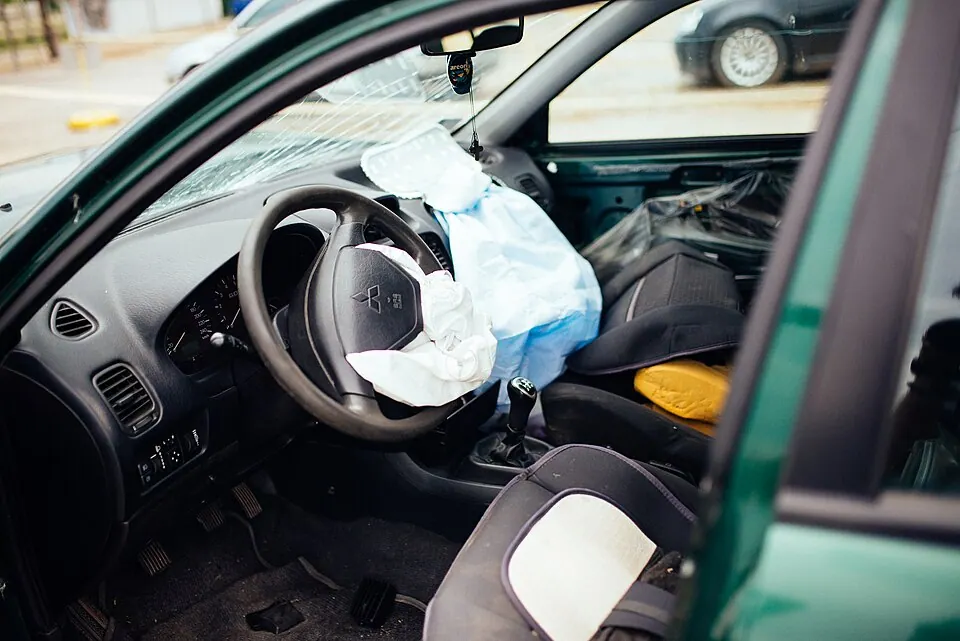

Check the damage category
GOV.UK lists A and B as categories for vehicles that cannot return to the road. S covers structural damage and N covers non-structural damage. An S or N vehicle must be made roadworthy before it is used again.
Check the valuation details
Compare the year, trim, mileage and pre-incident condition used by the insurer with your documents. If you find an error, send the correction and evidence. Keep dated examples of genuinely comparable cars.
Ask what will be deducted
Check whether the settlement includes any excess or salvage deduction. Ask how the insurer will handle outstanding finance, whether you can keep the vehicle, and what you need to tell DVLA.
Read the Ombudsman’s write-off guidance
Related: How do I complain about my car insurer?
How to challenge a car write-off payout
Request the insurer’s pre-incident market value, the valuation guides it used, the vehicle details entered and the deductions applied. Correct errors in trim, mileage or history first. Provide dated examples of comparable cars and explain why each is comparable.
For example, if the insurer used a base trim and yours was a higher trim, send proof of your specification and ask for a revised written valuation. Keep the settlement letter and evidence. If the firm rejects your challenge, use its formal complaints process and check the Ombudsman route.
Check the settlement before accepting
Ask for the value before deductions, then note any excess, salvage deduction and amount paid to a finance provider. Request the figures in writing so you can compare the valuation and the actual amount you would receive.