
Car insurance for low-mileage drivers
Estimate how far you drive and compare the cost of standard and mileage-based cover.
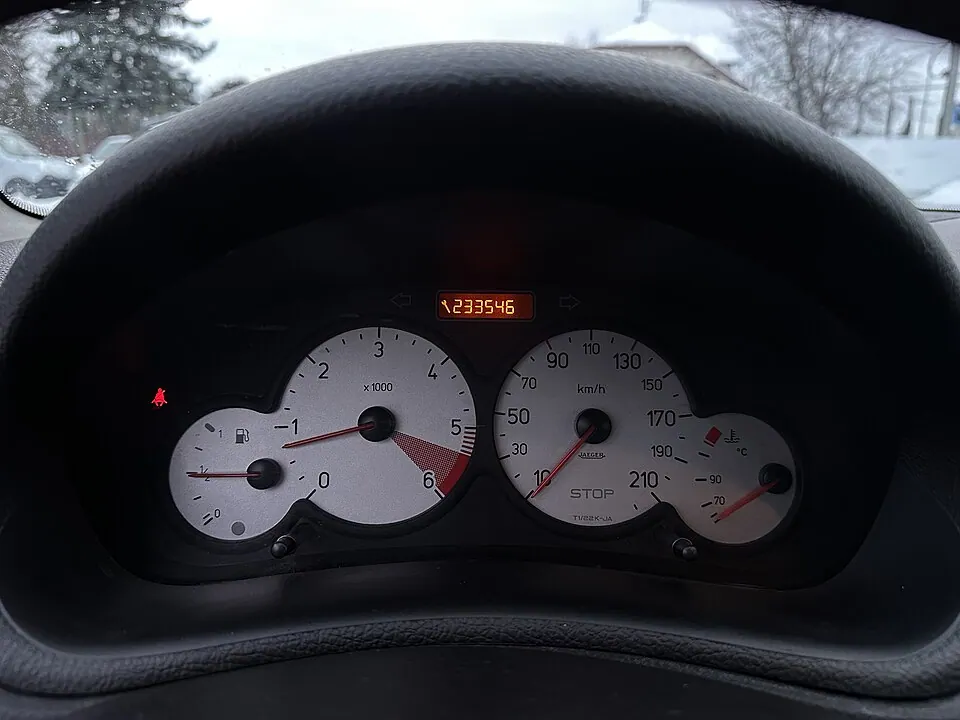
Estimate your mileage
Use two dated odometer readings to see how far you drove between them. Adjust your estimate for changes such as a new commute, weekend trips or using a second vehicle.
Compare more than the mileage rate
For a quote with a fixed charge and a per-mile rate, multiply your estimated mileage by the rate and add all fixed charges for the same period. Try a higher mileage figure too so you can see how extra trips might affect the cost.
Check how the policy handles extra miles
Ask whether unused miles carry over, how mileage is recorded and what happens if you drive more than expected. Compare the excess, exclusions and cancellation fees alongside the price.
Read MoneyHelper’s car insurance guide
Worked example: mileage changes the result
A hypothetical quote costs £240 per year plus 8p per mile. At 3,000 miles the total is £480. At 5,000 miles it is £640. A flat £540 quote would be cheaper above 3,750 miles if both provide comparable cover and there are no extra fees.
| What to check | What to look for |
|---|---|
| Fixed charge | Check whether it is annual, monthly or payable upfront. |
| Per-mile charge | Ask how mileage is recorded and how rates or allowances change. |
| Extra trips | Estimate a higher mileage year and rerun the comparison. |
Common question
Where can I find an earlier mileage reading?
Try a dated service receipt, MOT record or photo. Compare it with your current odometer reading and adjust for changes to your usual trips.
Try a busy year as well as a quiet one
Compare your expected cost if your driving changes by 1,000 miles. At 8p per mile that adds £80, before any other charges. Check the policy for mileage caps and whether the pricing uses miles, days or both.